
Teacher & Financial Literacy Educator | Founder, Her Money House
Sara Harrington, B.Ed.
Winnipeg, Manitoba, Canada
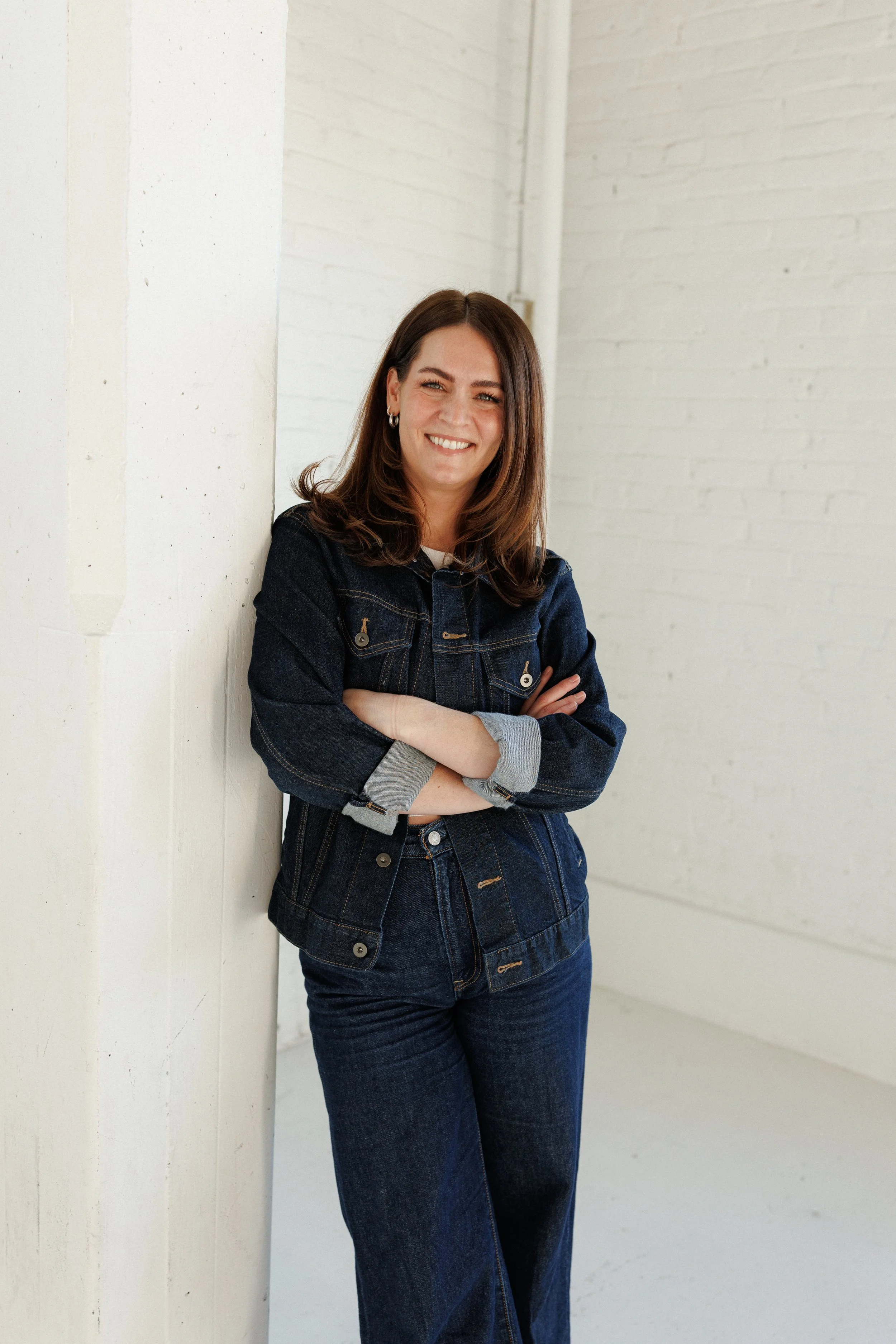

Sara Harrington is a public high school teacher of 15 years and a Canadian financial educator who has built over half a million dollars in net worth on a teacher's salary. Now she's swapped the classroom curriculum for the one class that was never on the timetable. She is the founder of Her Money House, an independent financial literacy and education company based in Winnipeg, Manitoba, serving everyday Canadian women who want to understand their money, build wealth, and make informed financial decisions.


The Story Behind
Her Money House
Money wasn't something Sara learned about early or formally. Like most people, she started out doing her best: paying off student loans, managing a car payment, saving what she could, and making sure she didn't spend more than she made.
Over time, she built an emergency fund, saved for a home, and slowly learned how to invest. Not through shortcuts or get-rich-quick strategies but through the basics. Reading all she could about money. Spending intentionally. Saving consistently. Investing for the long term. Building habits she could actually stick with.
For a long time, investing felt intimidating. But once she clearly understood the fundamentals, she realized it wasn't about being perfect or knowing everything. It was about understanding enough to make informed decisions and staying consistent.
As her confidence grew, something unexpected happened. People started coming to her. First friends, then coworkers, then complete strangers. Women wanted help with budgeting, saving, understanding investing or simply someone who could explain money in a calm, real-life way without making them feel behind or embarrassed.
Again and again, she saw the same thing. Women didn't need more shame, jargon, or pressure. They needed education, support, and a safe place to start.
That's why Her Money House exists.

Our Mission
Her Money House exists to create a warm, comfortable space where women can talk about money and learn how it works without feeling embarrassed, listening to overcomplicated language, or feeling the pressure to buy or invest in something.
Through education and practical support, Sara helps women understand their money, build systems that fit real life, and use money as a tool to build lives that feel genuinely rich to them, on their own terms.
Financial confidence is not innate, it’s learned.
You are not “bad at money.” You were just never properly taught. When women understand how money works and why certain decisions matter, they become better equipped to ask questions, weigh options, and fully participate in their own financial lives.
Money is human before it’s technical.
Money decisions are shaped by emotions, behaviours, values, family history, and lived experience. The goal isn’t to remove emotion from money. It’s to understand it, work with it, and build a system that supports your actual life.
Simple, long-term thinking beats complexity.
Wealth is built over time, not overnight. Most people don’t need more complexity. They need clear information, steady habits, and systems they can repeat.

What Her Money House Believes



When You Work with Sara
What to Expect
Education and support only. Never products or commissions
Clear, plain-language explanations
Support that fits your real life now, not ideal behaviour
Steady progress, not perfection
A judgment-free space where all questions are welcome

Sara knows what it feels like to know absolutely nothing about money and then figure it out anyway. That’s the whole point of Her Money House.
You don’t have to come in with the right vocabulary, the right savings rate, or the right plan. You just have to show up. Sara will handle the rest.